



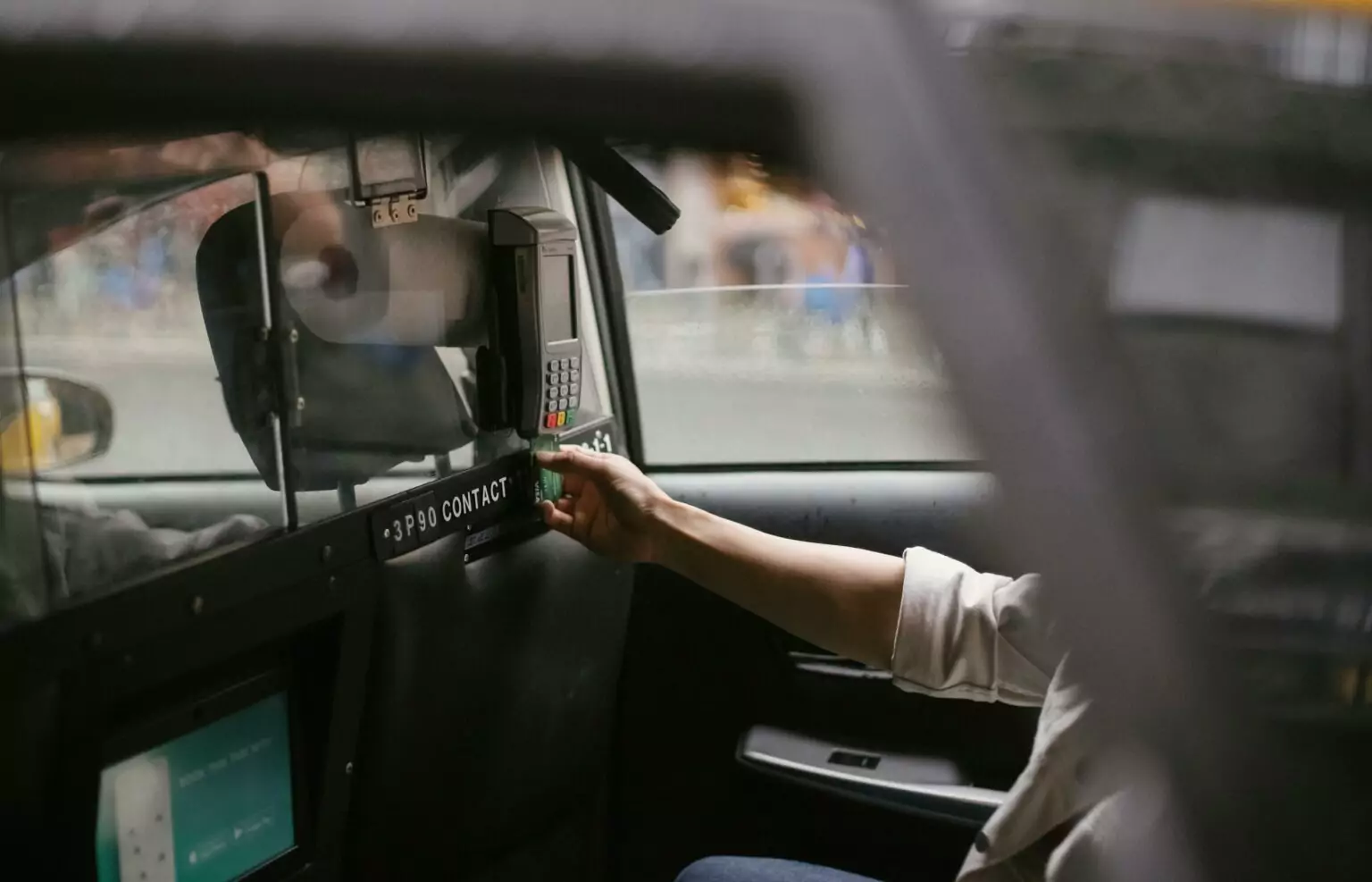
The Federal Reserve Board has published its latest biennial report on debit card transactions, shedding light on the evolving landscape of payment methods in the United States. This comprehensive document summarizes information collected from major debit card issuers and payment card networks, providing valuable insights into transaction volumes, consumer behavior, and market trends. The findings underscore the increasing reliance on debit cards as a preferred payment option among consumers, reflecting broader shifts in spending habits.
According to the report, the total number of debit card transactions has seen a notable increase over the past two years. This growth is indicative of a larger trend towards cashless transactions, which has been accelerated by the ongoing digital transformation in financial services. The report highlights that consumers are increasingly opting for the convenience and security offered by debit cards in their daily transactions.
The Federal Reserve’s analysis also delves into the characteristics of debit card usage, including the demographics of users and the types of purchases made with debit cards. It emphasizes the importance of understanding these trends for financial institutions, merchants, and policymakers alike. As debit card transactions continue to rise, the data presented in this report will be crucial for stakeholders looking to adapt to the changing payment landscape.
This report serves as a vital resource for those interested in the dynamics of the payment card industry. For further insights and updates on financial matters, readers can visit Financial News. The findings of the Federal Reserve not only highlight current trends but also pave the way for future developments in payment technologies and consumer preferences.