



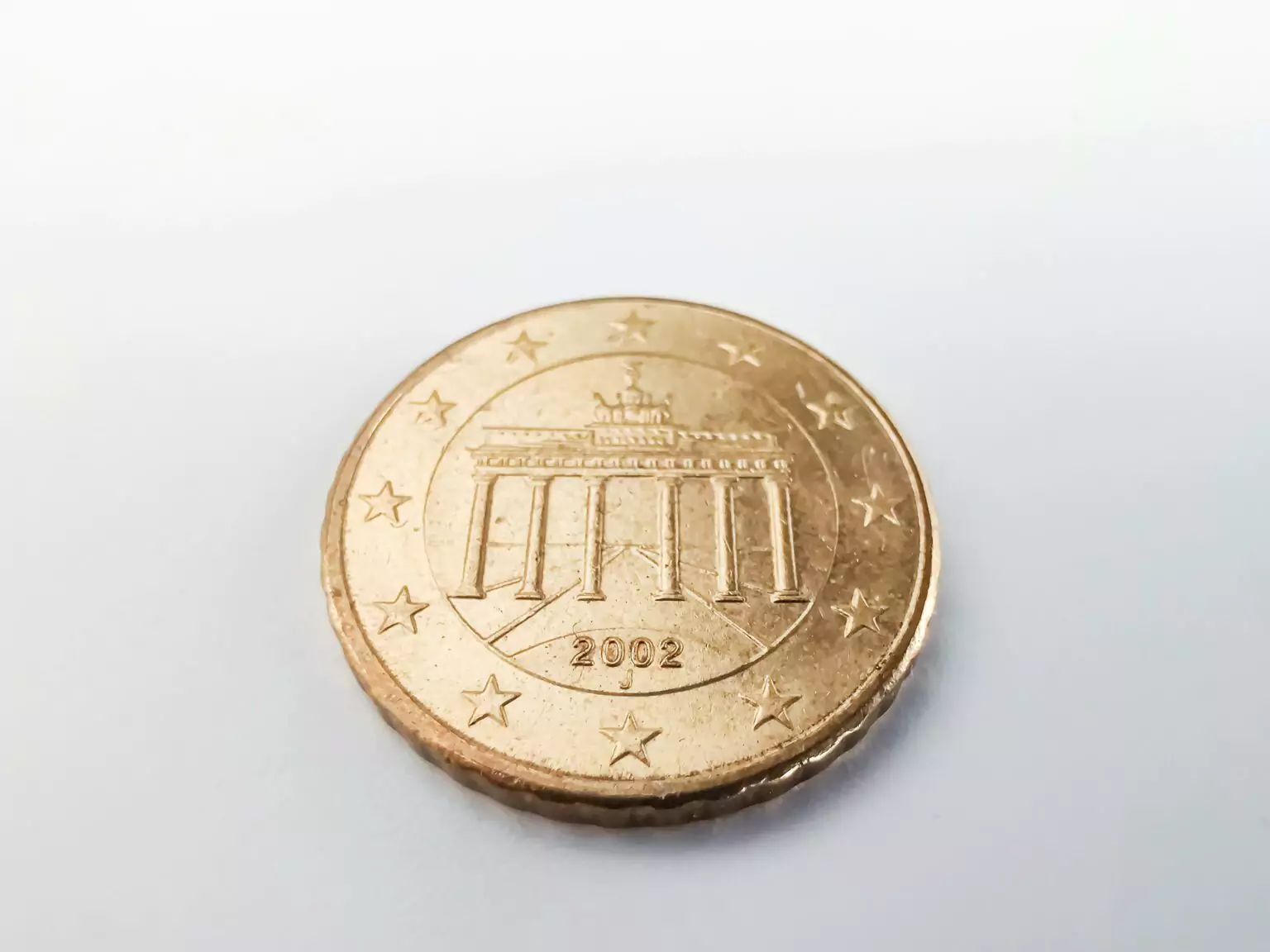
Bulgaria has officially adopted the euro, marking a significant shift in its monetary landscape. The transition from the lev to the euro comes amid a backdrop of political instability, yet the change has elicited more nostalgia than outright distress among citizens. Concerns about inflation have surfaced as the country makes this pivotal move, but widespread anxiety appears limited. Many Bulgarians recall the lev with fondness, but they are also recognizing the benefits of integration into the broader European economy.
The decision to adopt the euro reflects Bulgaria’s long-standing ambition to strengthen its ties with the European Union. This transition is not merely a change of currency; it represents a commitment to deeper economic integration. As the euro circulates, experts predict that it could help stabilize the economy and attract foreign investment. However, the fear of rising prices remains a palpable concern for many households, stirring discussions within communities and across social media platforms.
Despite these apprehensions, the government reassures the public that measures are in place to mitigate the risks associated with inflation. The central bank has vowed to monitor price movements rigorously. The sentiment among economists is cautiously optimistic, with many believing that transitioning to the euro will ultimately provide Bulgaria with a more stable economic framework.
As Bulgaria embarks on this journey, the public’s acceptance of the euro will likely evolve over time. While the lev has been a symbol of national pride, the euro is seen as a necessary step toward greater economic resilience. The government will need to navigate these changes carefully to maintain public confidence and ensure a smooth transition.
For more insights on the economic implications of currency changes and other financial news, visit Financial News.