



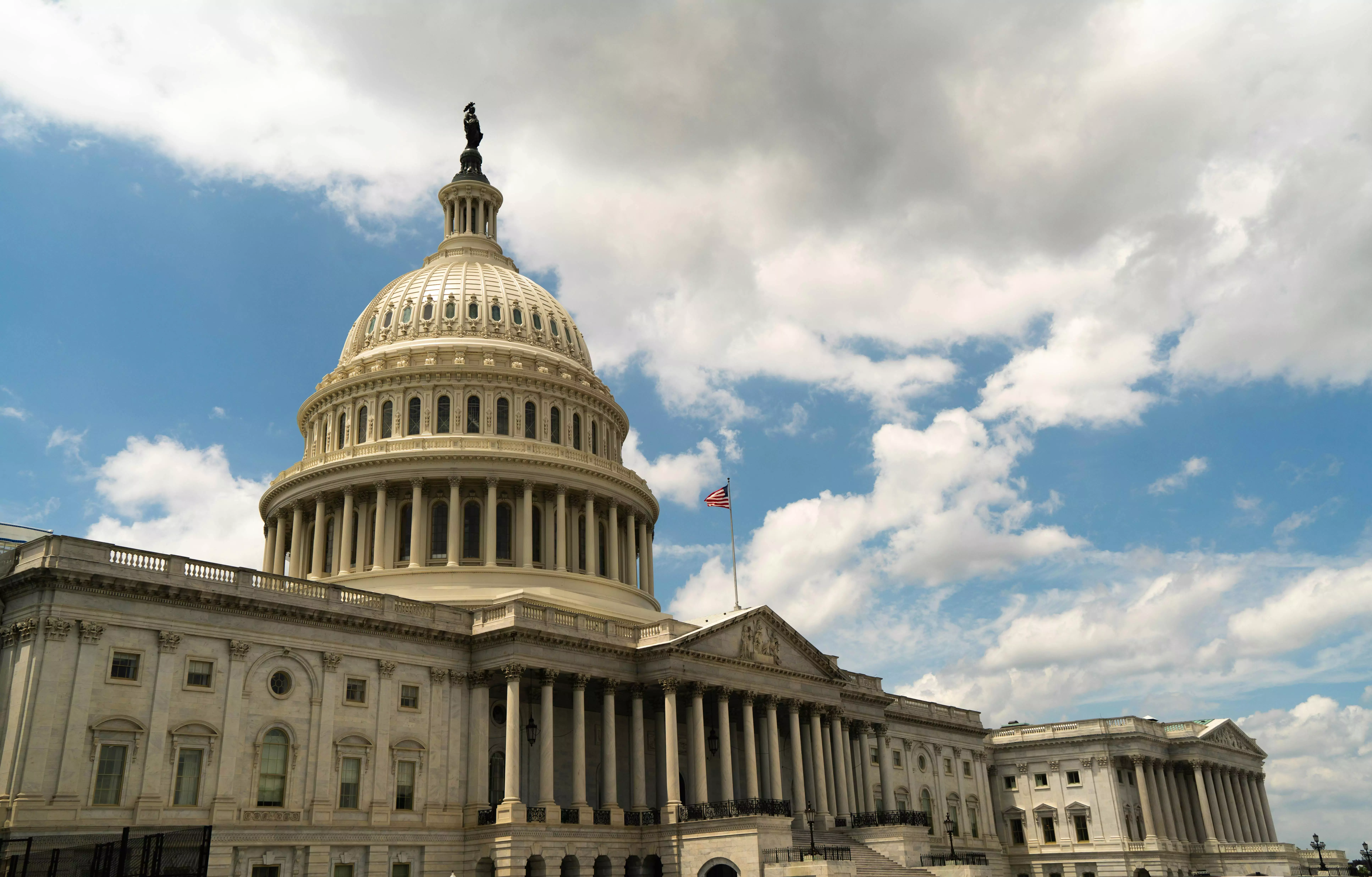
The State of the Union address has transformed into a vital platform for political confrontation, particularly in recent years. This annual event, where the President outlines the current state of the nation and proposes legislative priorities, has increasingly become a stage for partisan disputes. As the political landscape has evolved, so too has the nature of the address, reflecting deeper divisions within Congress and the electorate. The media coverage surrounding the State of the Union has also intensified, focusing on moments of dissent or applause from members of Congress, which can often overshadow the President’s key messages.
In the past, the address was largely a formal affair with little room for interruptions. However, recent addresses have seen members of Congress vocally responding to the President’s remarks, illustrating the heightened tensions between political parties. This trend raises questions about the effectiveness of the address as a tool for bipartisan communication and legislative collaboration. Critics argue that this confrontation diminishes the address’s potential to unify the nation and foster dialogue on critical issues. Supporters, on the other hand, believe that the candid exchanges reflect the democratic process at work.
Moreover, the growing polarization in American politics has shifted the focus of the State of the Union from policy proposals to political theater. Moments such as the refusal to stand for applause or the outbursts from the audience are now commonplace, often trending on social media in real-time. This spectacle can distract from the substantive issues that need addressing, including economic challenges and national security concerns. As we look ahead, the question remains whether future State of the Union addresses will maintain this confrontational style or return to a more traditional format that prioritizes constructive dialogue. For those interested in the implications of such political dynamics on the economy, further insights can be found in our Financial News section.