



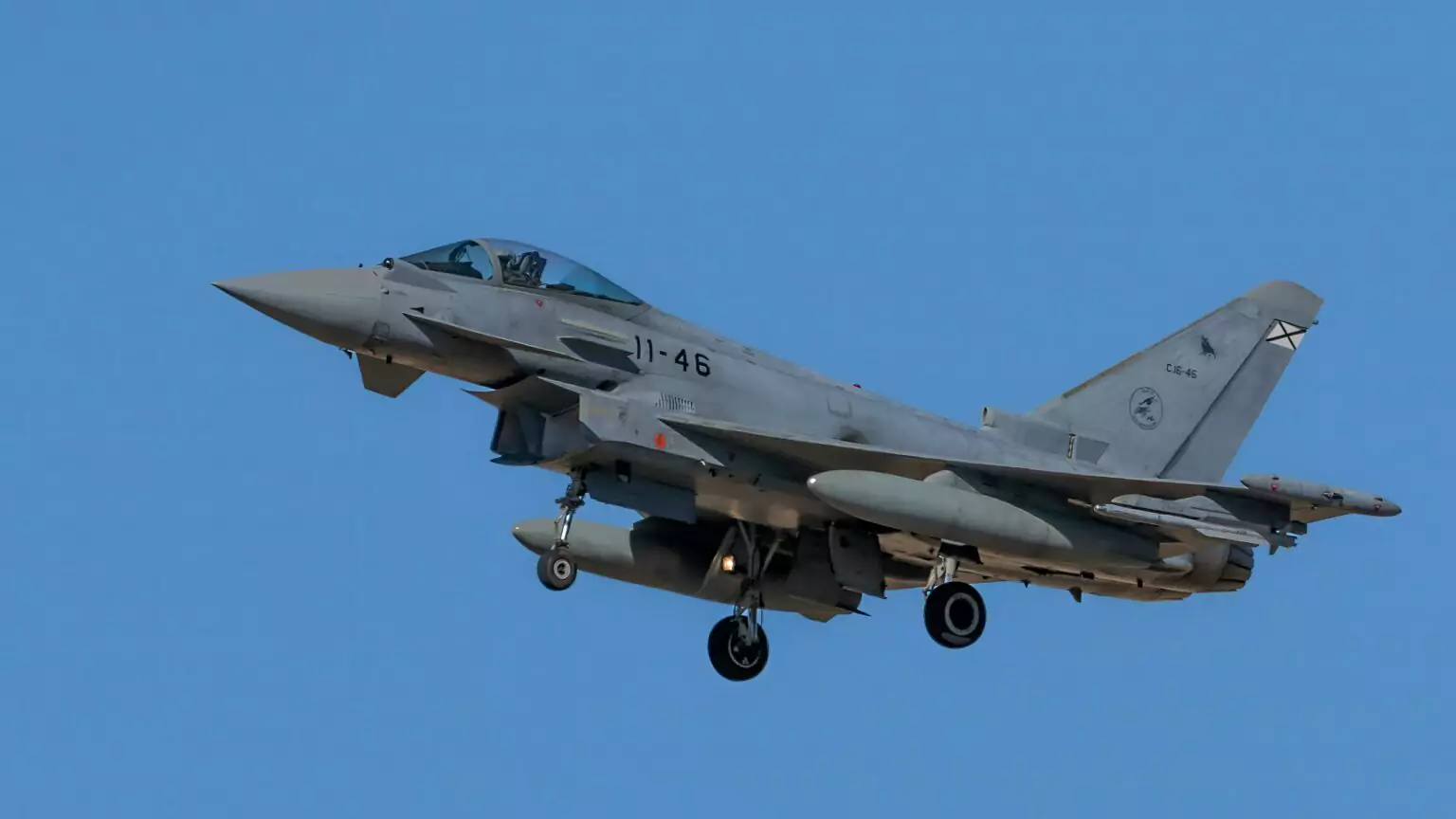
In a significant escalation of hostilities, Pakistan has declared an ‘open war’ along its border with Afghanistan. This declaration follows a series of cross-border attacks that Islamabad attributes to militant elements operating from Afghan territory. The military response has been swift, with Pakistani aircraft conducting strikes on various targets in Kabul and other provinces, marking a notable increase in military engagement. Analysts suggest that this escalation could have profound implications for regional stability.
The Pakistani military’s operations are seen as a direct response to the perceived inability of the Afghan government to control these cross-border threats. Islamabad has long expressed concerns over the safety and security of its borders, emphasizing that it will take necessary measures to protect its sovereignty. This situation has raised alarms among international observers, who fear that continued military actions could exacerbate tensions between the two nations.
Military experts are closely monitoring the situation as it unfolds, given that both nations have a complex history of conflict and cooperation. The potential for further military engagement could lead to increased instability not only in the region but also in broader geopolitical terms. Market analysts are also weighing the economic ramifications of this conflict, particularly in terms of trade disruptions and impacts on local economies.
With the international community watching closely, diplomatic efforts may be necessary to de-escalate the situation. However, the recent military actions suggest that Islamabad is currently prioritizing military solutions over diplomatic negotiations. This shift could alter the dynamics in future discussions regarding border security and counterterrorism.
As the situation develops, stakeholders in the financial markets and regional economy are advised to remain vigilant. Investors are likely to react to news regarding military and political developments, which could lead to fluctuations in market stability. For ongoing coverage of financial news and analysis, visit Financial News.


