



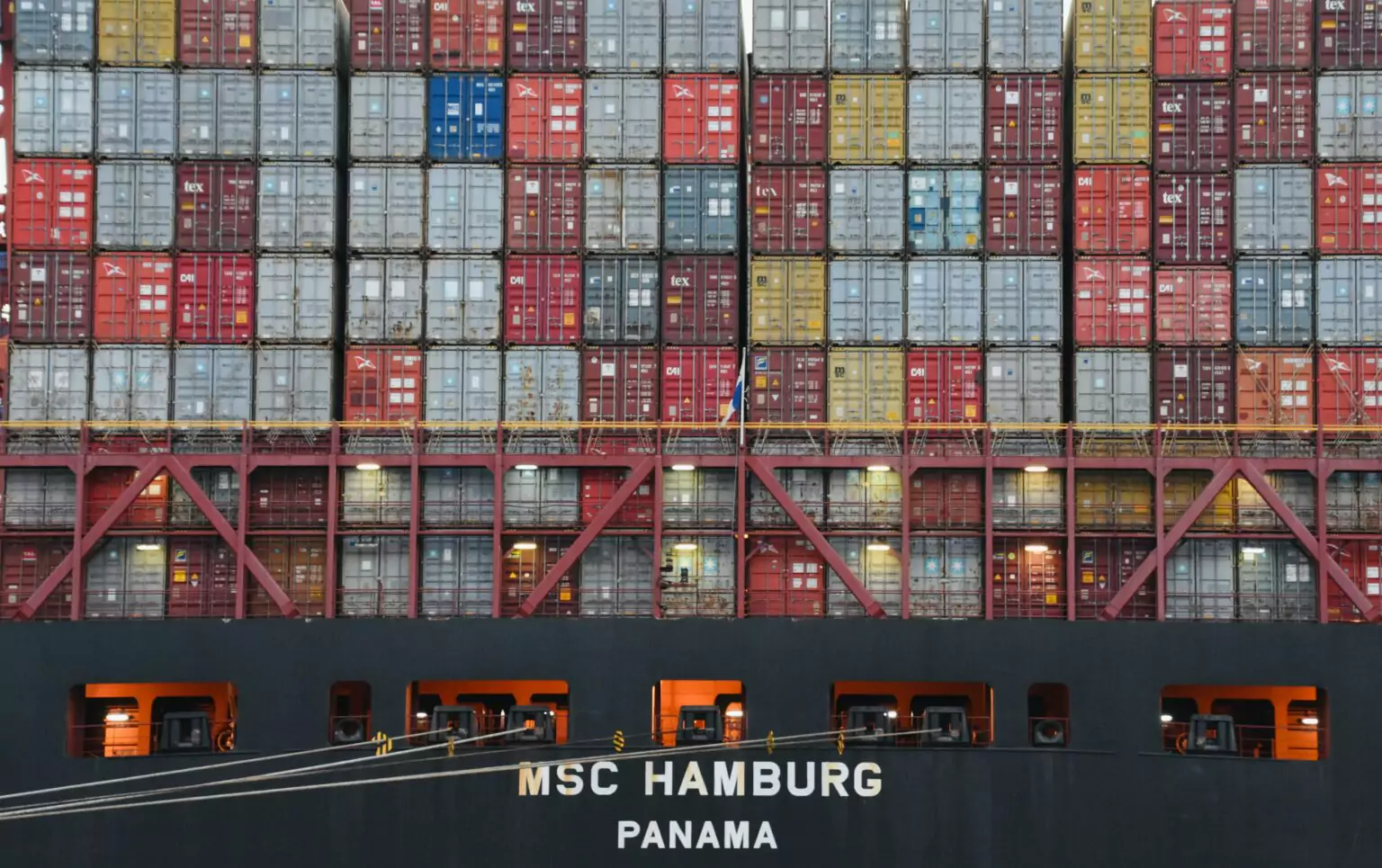
The unfolding war in the Middle East, particularly involving Iran, is causing significant disruptions to global food and energy supplies. As tensions escalate, the effects on oil and gas markets are becoming increasingly pronounced, leading to heightened prices and market volatility. However, the ramifications extend far beyond just energy sectors; shipping and airfreight operations are also feeling the strain, threatening the availability of a diverse array of goods essential to economies worldwide. The interconnected nature of global supply chains means that disturbances in one region can ripple across multiple industries.
Analysts are warning that as shipping lanes become more precarious due to military engagements and potential blockades, the cost of transporting goods could soar. This rise in logistics costs is likely to be passed on to consumers, leading to higher prices for everyday items. Agriculture, heavily reliant on timely deliveries of both supplies and products, is particularly vulnerable. Crop yields may suffer not only from direct conflicts but also from the inability to transport harvests efficiently to markets.
Furthermore, energy prices are expected to remain volatile as uncertainty looms over the oil supply chain. Countries that depend on Middle Eastern oil may face energy shortages, prompting a shift towards alternative energy sources or increased domestic production. This shift could have long-term implications for energy policies worldwide, as nations reassess their dependence on foreign oil. The war is not just reshaping current markets; it is also altering future strategies for energy security and food supply resilience.
As businesses and consumers brace for the impacts of these developments, it is crucial to stay informed about how the situation evolves. The ongoing conflict is a stark reminder of the fragility of global supply chains and the cascading effects that geopolitical tensions can have on everyday life. For further insights and updates on the financial implications of such events, visit Financial News.


