



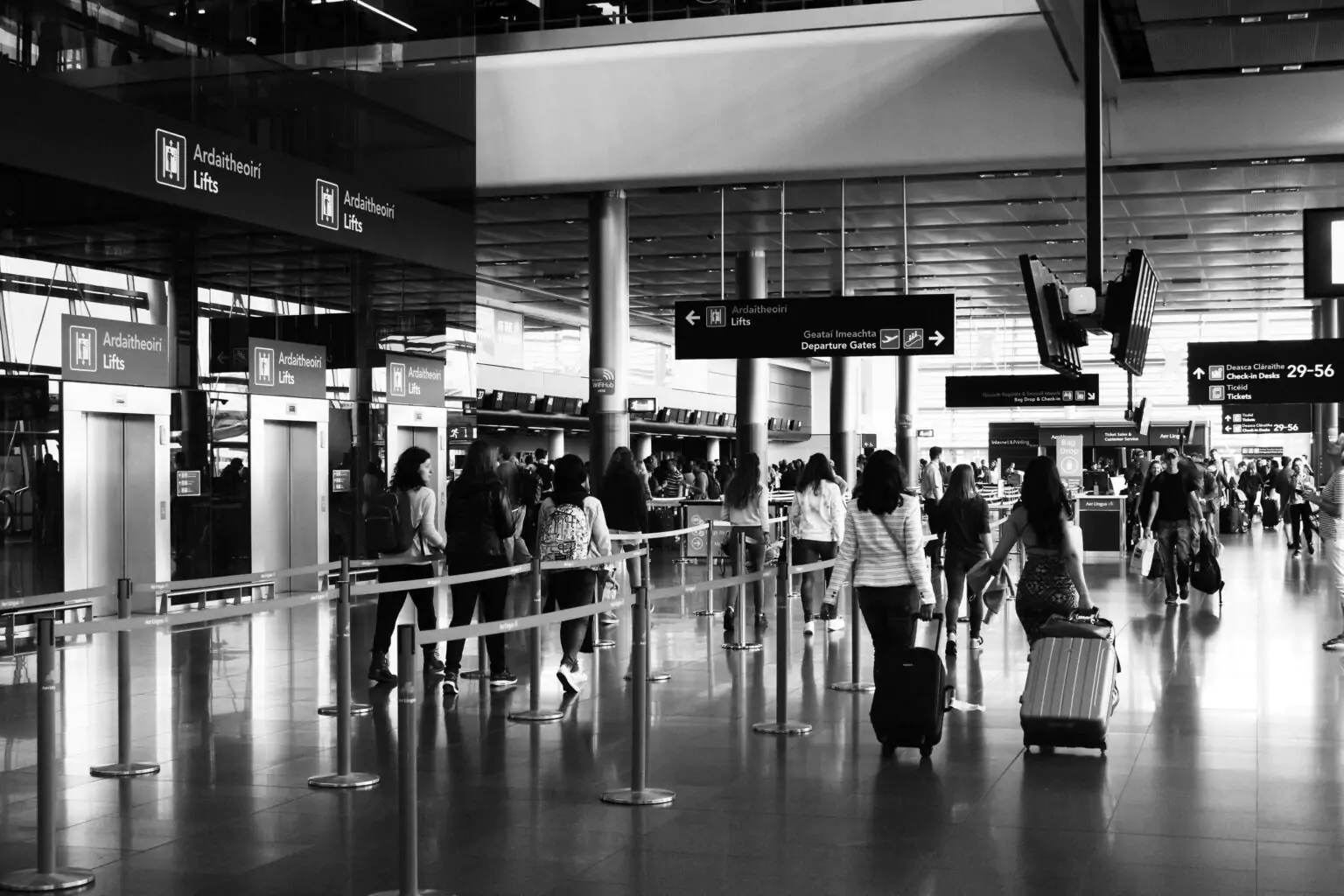
The luxury sector is bracing for a challenging first quarter, with analysts projecting a 1% decline in sales as access routes from the Middle East face significant disruptions. This downturn is attributed to the tightening of travel restrictions, which industry insiders refer to as the closing of ‘airport doors.’ Such changes are expected to hinder the flow of affluent travelers who are crucial to luxury retailers’ bottom lines. For a deeper dive into the evolving financial landscape, visit Financial News.
Luxury brands have long relied on a blend of international tourism and local wealth to drive sales. However, the recent changes in travel policies could lead to a notable shift in consumer behavior, with many potential buyers unable to reach prominent shopping destinations. This trend comes at a time when luxury companies were optimistic about recovery post-pandemic, making the impending sales dip particularly concerning.
Market analysts speculate that brands with a strong online presence may fare better during this anticipated downturn. As consumers adapt to changing circumstances, the ability to offer seamless e-commerce experiences could help mitigate some of the losses. Additionally, brands that focus on localized marketing strategies may find opportunities for growth despite broader market challenges.
Some luxury brands are already implementing strategies to adapt to the changing travel landscape. Initiatives include enhancing customer engagement through digital platforms and expanding local market outreach. The focus appears to be on retaining existing customers while attracting new ones through innovative channels.
Despite these proactive measures, the overall sentiment in the luxury market remains cautious. Industry leaders are closely monitoring the developments and adjusting their forecasts accordingly. As the situation evolves, it will be crucial for brands to remain agile and responsive to shifts in consumer access and preferences.