



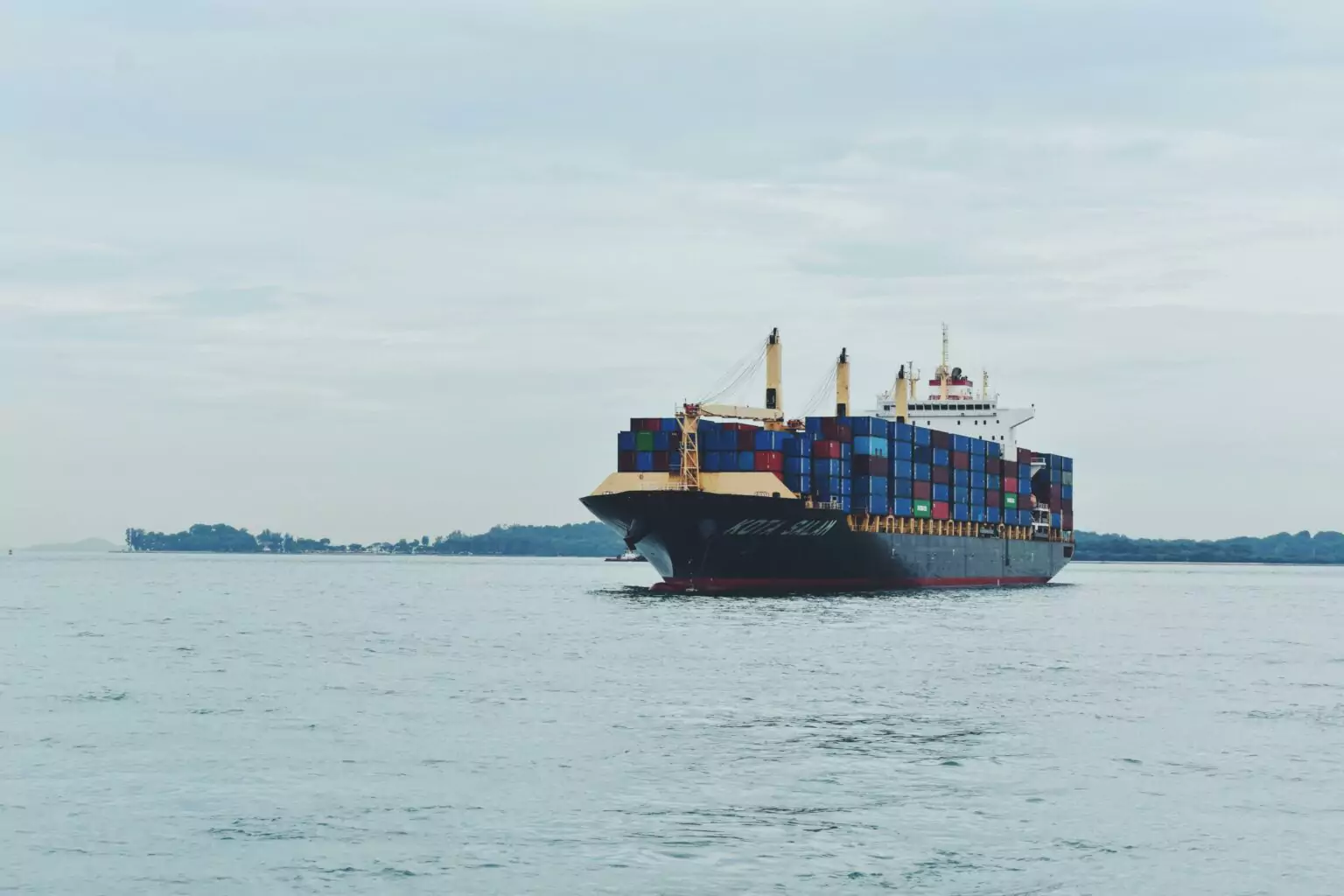
The World Trade Organization (W.T.O.) has issued a stark warning that an extended conflict in the Middle East could significantly slow global trade and economic growth, particularly in 2026. The organization highlighted that the ongoing war in this critical region poses risks not only to the stability of local economies but also to the interconnected nature of global commerce. As trade routes become jeopardized and supply chains are disrupted, the ramifications could be felt worldwide.
In its recent report, the W.T.O. emphasized that if the conflict persists, trade volumes may experience a sharper decline than previously anticipated. The organization pointed to the increase in uncertainty and volatility in markets as key factors contributing to this potential slowdown. Investors and businesses alike are advised to brace for an economic environment that may be marked by fluctuating demand and rising costs.
Analysts suggest that the ramifications of a prolonged conflict could extend beyond immediate trade impacts. Economic forecasts may need to be revised as the situation evolves, particularly concerning commodities and logistics. The W.T.O. has urged countries to seek diplomatic solutions to mitigate the potential fallout from the ongoing violence.
As the situation develops, the global community remains watchful, with trade experts urging for contingency plans to address possible disruptions. The W.T.O.’s insights serve as a crucial reminder of the interconnectedness of today’s economies. Policymakers are encouraged to prioritize stability in the region to preserve trade relations and economic growth.
For more updates on this and other financial news, visit Financial News.