



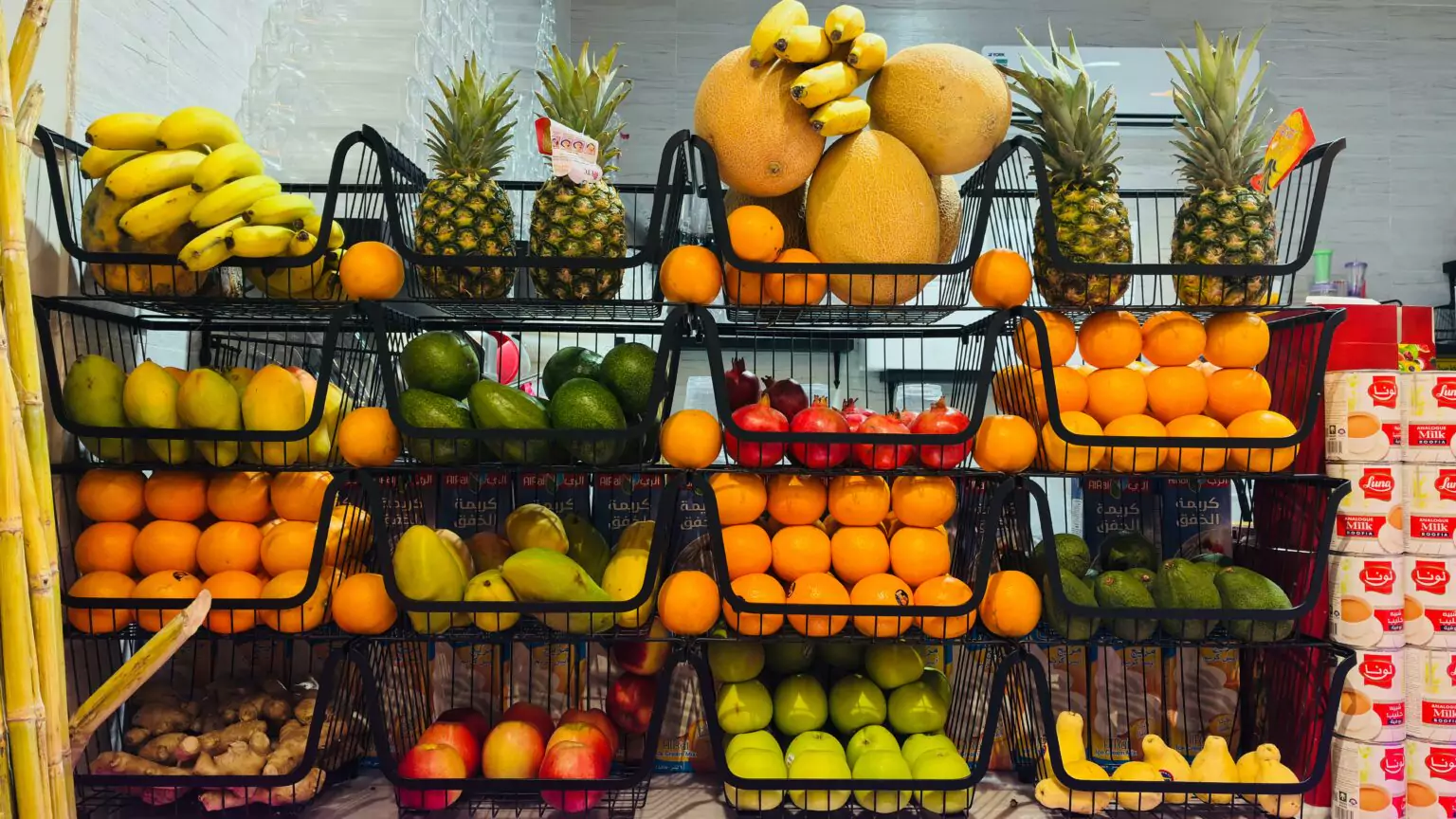
The latest Consumer Price Index (CPI) report reveals a significant uptick in food prices during December, with particular spikes observed in beef, coffee, and various produce items. This surge in food costs is drawing attention from economists and consumers alike, highlighting ongoing challenges in the economy. Despite overall inflation showing some signs of stabilization, the rising prices of essential goods continue to strain household budgets. For more insights on financial trends, visit Financial News.
In December, the CPI data indicated that food prices experienced a notable increase, contributing to the overall inflation rate. Beef prices soared, reflecting both supply chain constraints and increased demand. Coffee, a staple for many households, also saw a significant rise, influenced by weather-related disruptions in key producing regions. Additionally, fresh produce prices climbed, further emphasizing the challenges consumers face in maintaining their grocery budgets.
The implications of these price increases are far-reaching, as they affect consumer spending habits and overall economic growth. As families adjust their purchasing decisions in response to rising food costs, the demand for alternative products may shift. Analysts are closely monitoring these trends, as sustained increases in food prices could signal broader inflationary pressures moving forward. The impact on lower-income households is particularly concerning, as they allocate a larger portion of their income to food expenditures, making them more vulnerable to price fluctuations.
Looking ahead, the Federal Reserve will likely take these developments into consideration during policy discussions. Balancing inflation control with economic growth remains a complex challenge. The latest CPI report serves as a reminder of the persistent factors influencing food prices and the economy as a whole.


