



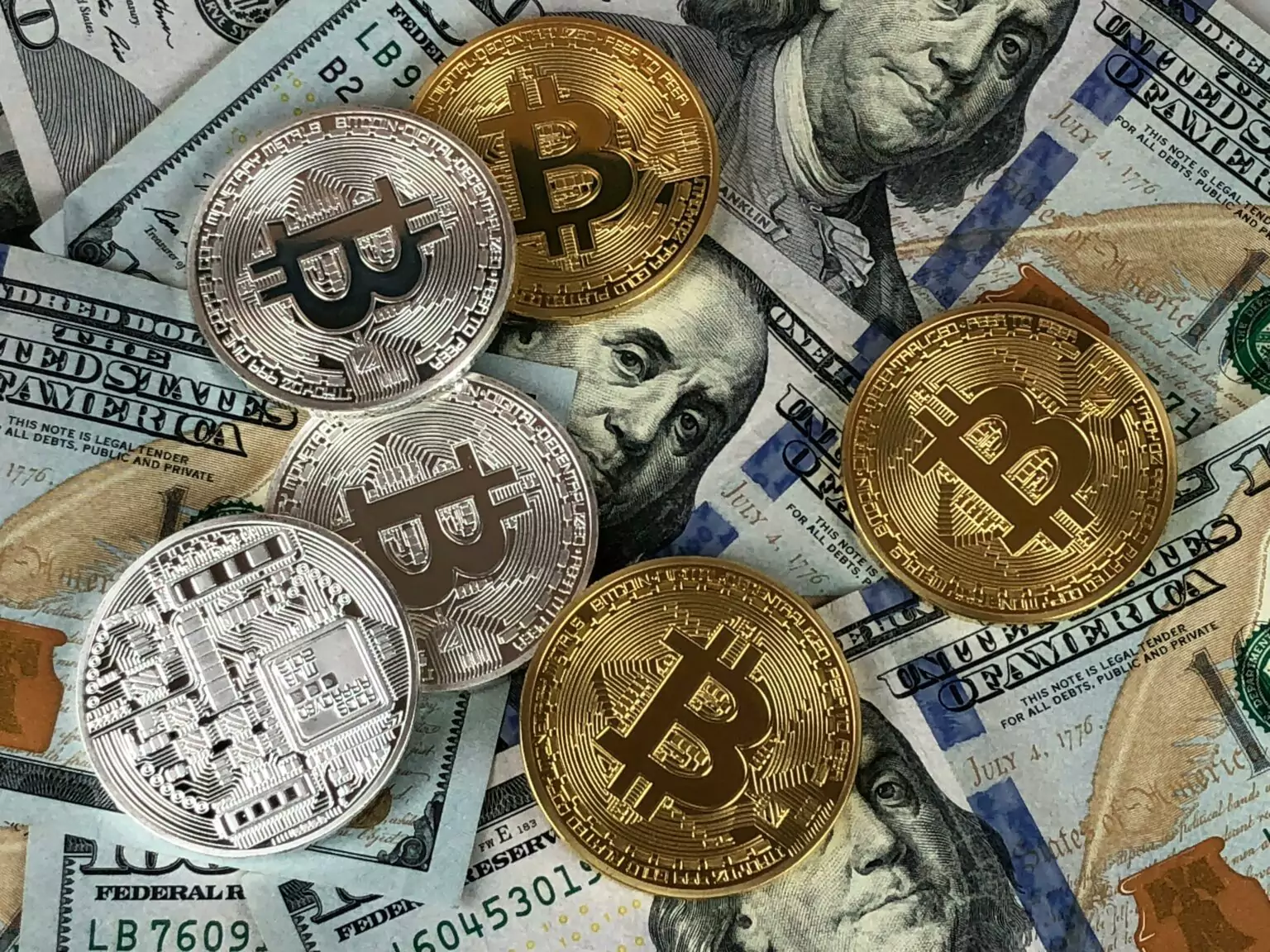
The Capital Gains Tax on Solana is a crucial aspect for investors to understand as they navigate the cryptocurrency market. This tax applies to the profit made from selling Solana, a popular cryptocurrency. Understanding how this tax works can help you make informed decisions regarding your investments and tax obligations.
What is Capital Gains Tax?
Capital Gains Tax is a tax imposed on the profit generated from the sale of an asset, such as stocks, real estate, or cryptocurrencies like Solana. When investors sell their Solana holdings for more than their purchase price, they incur a capital gain, which is subject to taxation. The rate at which this gain is taxed can vary based on several factors, including the duration of the investment and the investor’s income level.
Short-term vs. Long-term Capital Gains
Understanding the distinction between short-term and long-term capital gains is essential for Solana investors. Short-term capital gains apply to assets held for one year or less, and these gains are typically taxed at the investor’s ordinary income tax rate. In contrast, long-term capital gains apply to assets held for more than one year and are generally taxed at a lower rate.
How to Calculate Capital Gains on Solana
To calculate capital gains on your Solana investments, you need to determine your cost basis, which is the original value of your investment, including any fees or commissions paid. The capital gains can be calculated using the following formula:
Capital Gain = Selling Price – Cost Basis
Tax Rates for Capital Gains
The tax rates for capital gains on Solana can differ significantly depending on whether the gain is classified as short-term or long-term. The IRS outlines specific tax brackets for individuals, which you can find on the [IRS website](https://www.irs.gov). Generally, long-term capital gains are taxed at rates of 0%, 15%, or 20%, depending on your income level.
Reporting Capital Gains on Solana
Reporting capital gains on your tax return is a vital step in ensuring compliance with tax laws. Investors must report their capital gains on Schedule D of Form 1040, detailing their sales transactions and corresponding gains or losses. Utilizing tax software or consulting a tax professional can simplify this process.
Implications of Capital Gains Tax on Your Investments
Understanding the implications of capital gains tax on your Solana investments is crucial for effective financial planning. High taxation on short-term gains may deter investors from making frequent trades, while the lower long-term rates may encourage holding assets longer. This knowledge can influence your investment strategy and potential returns.
Strategies for Minimizing Capital Gains Tax
Investors can employ various strategies to minimize capital gains tax on their Solana holdings. One approach is tax-loss harvesting, which involves selling losing investments to offset gains. Additionally, holding assets for over a year to benefit from lower long-term rates can be advantageous.
Staying Informed About Tax Regulations
Tax regulations surrounding cryptocurrencies, including Solana, are continually evolving. Investors should stay informed about changes to tax laws and how they might impact their investment strategies. The [National Association of Realtors](https://www.nar.realtor) and other authoritative sources provide valuable information on this topic.
In conclusion, understanding Capital Gains Tax on Solana is essential for investors looking to navigate the complexities of cryptocurrency taxation. By comprehending how capital gains are calculated, reported, and taxed, you can make informed decisions that align with your financial goals. For more insights, visit BankOnlineUSA Guides.


