



Travel emergencies can get expensive fast. Whether it’s a sudden medical issue or an unexpected flight cancellation, travelers often find themselves facing significant financial burdens that can amount to thousands of dollars. In this article, we explore the various types of travel emergencies that can occur and outline effective strategies to protect your wallet from the worst-case scenarios. Understanding these potential pitfalls is crucial for anyone planning a trip, as unforeseen circumstances can derail even the best-laid plans.
One of the most common travel emergencies involves medical issues that arise while abroad. Health care costs in foreign countries can be exorbitant, especially if hospitalization is necessary. To mitigate these expenses, it is essential to invest in comprehensive travel insurance that covers medical emergencies. Policies vary widely, so travelers should seek out plans that not only cover medical emergencies but also include provisions for evacuation and repatriation if needed.
Another area of concern is flight cancellations or delays. These disruptions can lead to additional costs for accommodation, meals, and alternative travel arrangements. To guard against these expenses, travelers should familiarize themselves with the cancellation policies of their airlines and consider purchasing travel insurance that covers trip interruptions. Furthermore, having flexible travel plans can provide a cushion against unforeseen changes in itineraries.
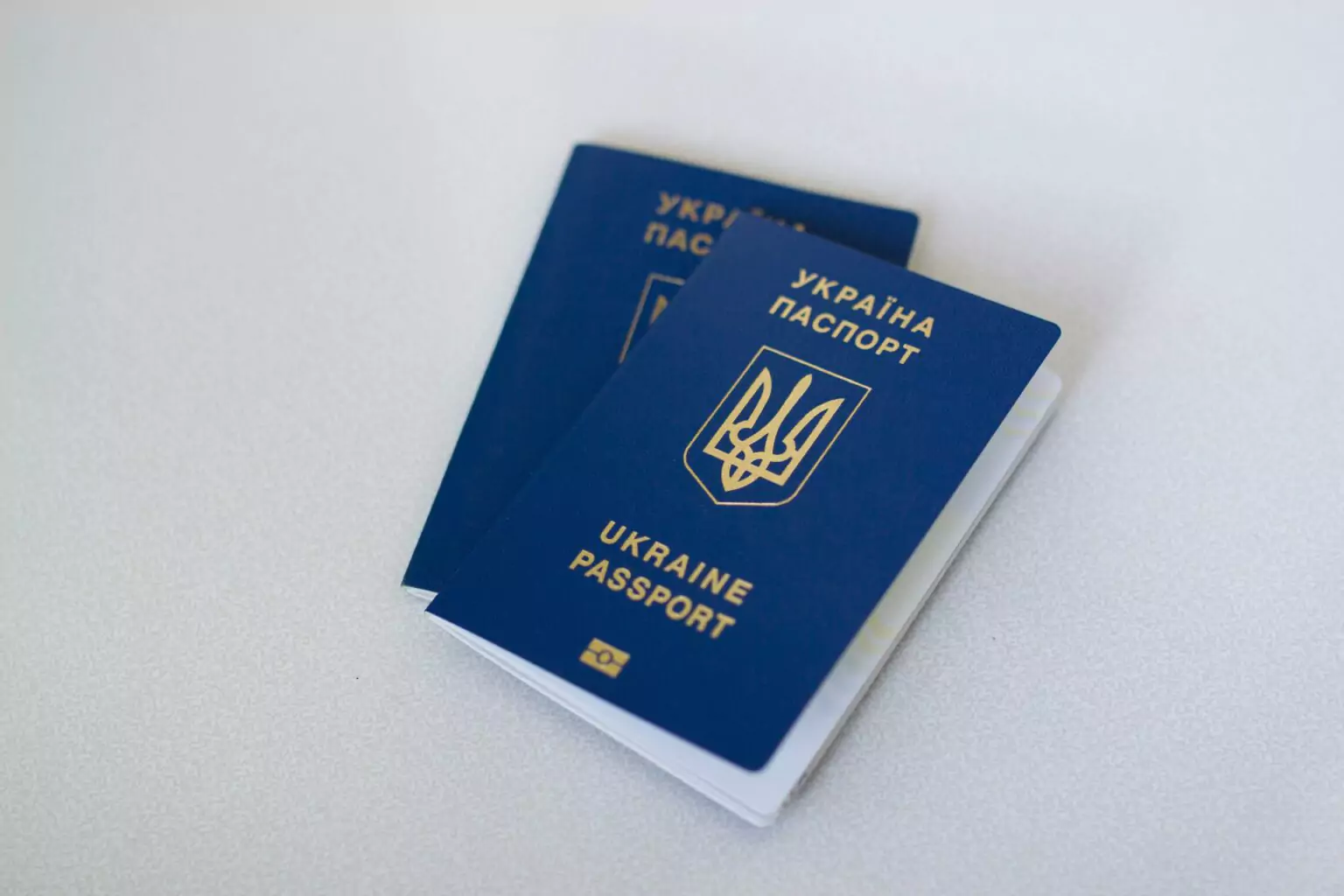
Lost or stolen belongings can also pose a significant financial risk during travel. Losing a passport, credit card, or other essential documents can lead to delays and unexpected costs. Travelers should make photocopies of important documents and keep them separate from the originals. Additionally, using a travel wallet that secures your valuables can help minimize the risk of theft.
Natural disasters are another factor that can impact travel plans and finances. Events such as hurricanes, earthquakes, or even pandemics can lead to cancellations and additional expenses. Travelers should stay informed about weather conditions and local risks at their destination, as well as consider travel insurance that covers natural disasters.
Finally, it’s wise to have a financial safety net in place. Setting aside a reserve fund specifically for travel emergencies can provide peace of mind. Experts recommend having at least $1,000 available for unexpected expenses during a trip. This fund can be accessed quickly without the need for credit cards or loans, allowing travelers to remain financially secure in times of need.
In conclusion, while travel emergencies can indeed become costly, being well-prepared can significantly reduce their financial impact. By investing in the right insurance, staying informed, and setting aside emergency funds, travelers can protect their wallets from the unexpected. For more insights and tips on managing your finances, visit Financial News.