



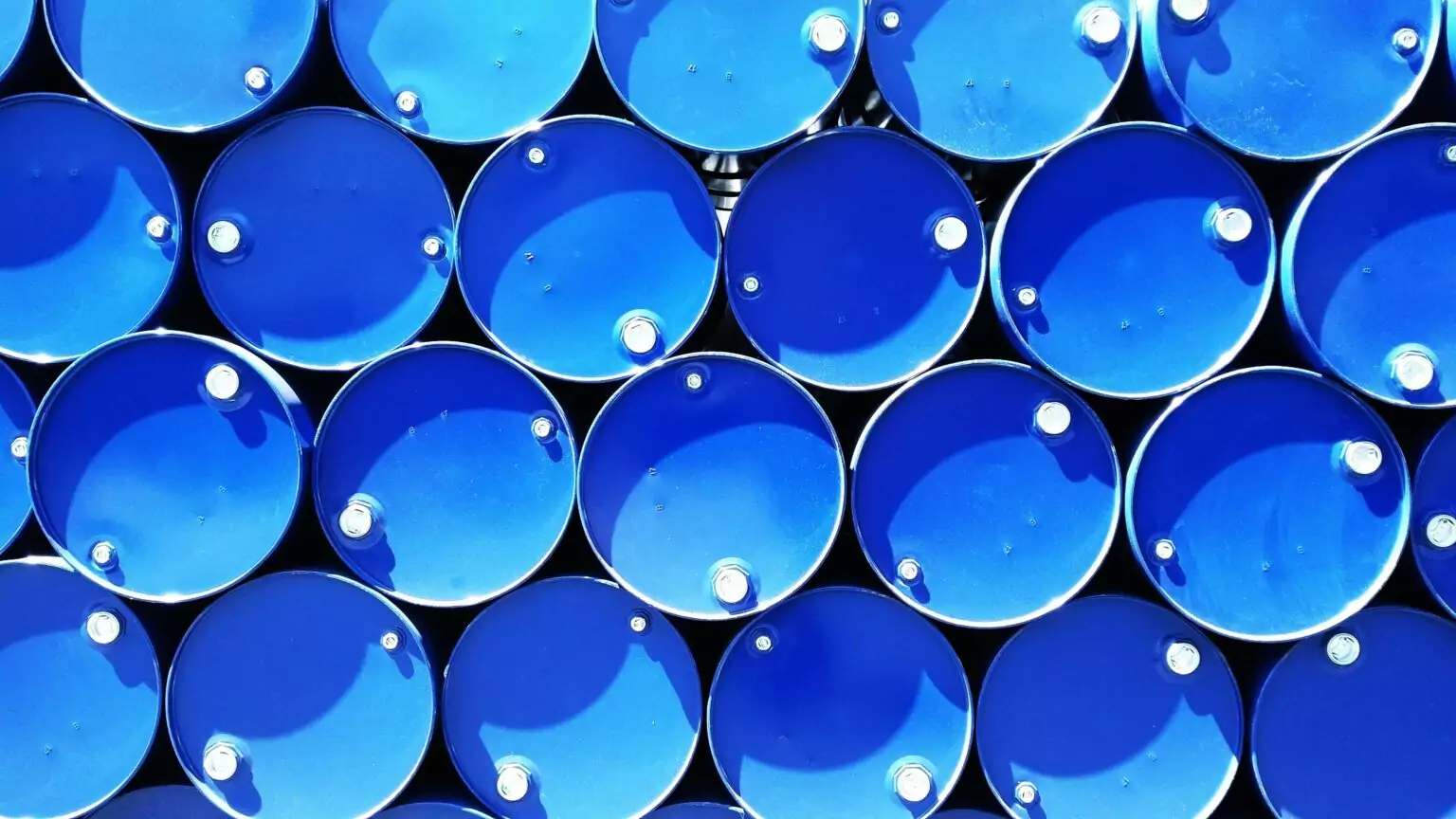
The current oil supply shock presents a unique scenario, reminiscent of the 1973 embargo, as global markets grapple with fluctuating prices and availability. Unlike the past, however, today’s governments have proactively stockpiled oil reserves and the automotive industry has seen significant advancements in fuel efficiency. Despite these measures, the ongoing supply chain disruptions have left analysts uncertain about the duration of this crisis. The global nature of the current situation means that the impacts are far-reaching, affecting economies and consumers worldwide.
In the wake of the 1973 oil crisis, which saw prices soar and availability plummet, governments were forced to rethink their energy policies. Today, while stockpiling has mitigated some immediate risks, the complexities of modern supply chains have created vulnerabilities that were not as pronounced in the past. The current supply shock, driven by geopolitical tensions and fluctuating demand, has raised questions about energy security and sustainability. Experts suggest that the long-term effects could reshape energy consumption patterns and lead to increased investments in alternative energy sources.
As consumers adjust to rising fuel costs, businesses are also feeling the pressure, with many industries reliant on oil for operations. The logistics sector, in particular, has been impacted as transportation costs rise, leading to increased prices for goods and services. Companies are now forced to reconsider their strategies in light of these developments, and many are exploring ways to reduce their dependency on oil. It is clear that the ripple effects of this supply shock will be felt for years to come, as markets adapt to new realities.
For more in-depth financial analysis and updates, explore our Financial News section.