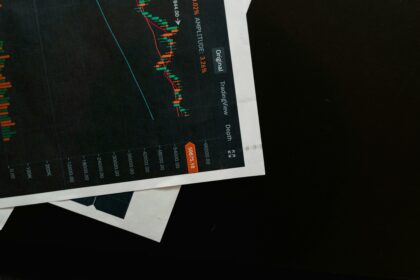




Oil prices have surged above $100 a barrel, driven largely by uncertainties surrounding U.S.-Iran diplomatic talks. As Brent crude experienced a resurgence, analysts noted that conflicting signals from the region have fueled market volatility. The rise follows a period of earlier declines, indicating a sensitive market reaction to geopolitical developments.
Traders are closely monitoring the situation, particularly the risk of renewed strikes in the region, which could further disrupt oil supply chains. The market’s response reflects concerns over the stability of oil production in light of the ongoing negotiations and potential escalations in hostilities. Reports suggest that the lack of clarity from diplomatic efforts has left investors on edge, contributing to the uptick in prices.
The recent trend in oil prices also highlights the broader implications for the global economy, especially as energy costs remain a significant factor in inflationary pressures. With Brent crude now trading above the $100 mark, economists are weighing the potential impacts on consumer spending and industrial production. This price point marks a critical threshold, prompting discussions among policymakers about the need for strategic reserves and energy diversification.
As the situation develops, market observers anticipate that oil prices will continue to react dynamically to any new information from diplomatic channels. Given the historical volatility of oil markets, traders are advised to remain vigilant and consider both short-term and long-term strategies in response to these ongoing geopolitical tensions.
For more insights and updates on financial markets, visit Financial News.