



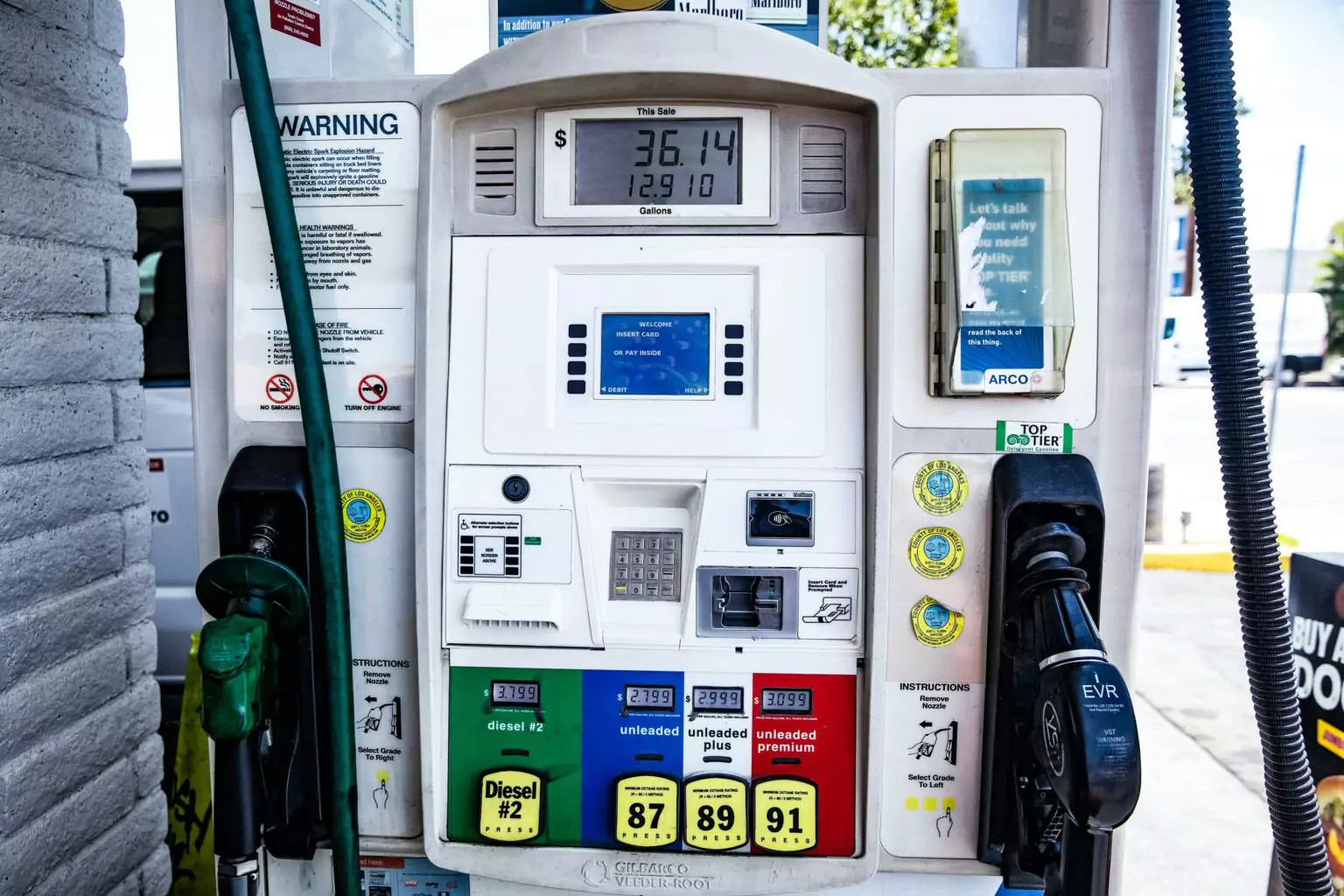
Goldman Sachs has issued a stark warning regarding the recent spike in gas prices, indicating that this surge will have significant implications for consumers. As prices at the pump continue to rise, households are likely to feel the financial strain, impacting their spending habits and overall economic behavior. According to the investment bank’s analysis, the increase in fuel costs could ripple through various sectors, leading to a broader economic impact. For more insights on financial trends, visit Financial News.
The report highlights that consumers, already facing inflationary pressures, may need to adjust their budgets to accommodate higher transportation costs. This adjustment could lead to decreased discretionary spending, which may slow down growth in sectors reliant on consumer spending. Analysts at Goldman Sachs note that if gas prices remain elevated for an extended period, the consequences could be more pronounced, affecting everything from retail sales to travel and leisure activities.
Furthermore, the analysis suggests that the energy sector will likely see increased volatility as a result of these price changes. Investors will be closely monitoring how these shifts affect consumer behavior and the broader economic landscape. Gas prices have historically influenced consumer sentiment, and this latest increase may exacerbate concerns about economic stability. As households grapple with higher costs, the potential for reduced consumer confidence looms large.
In summary, Goldman Sachs’ warning serves as a crucial reminder of the interconnectedness of energy prices and consumer spending. As gas prices continue to fluctuate, both consumers and businesses will need to navigate the challenges posed by rising costs. The landscape ahead appears uncertain, with potential implications for economic growth as spending patterns shift in response to fuel price increases.