



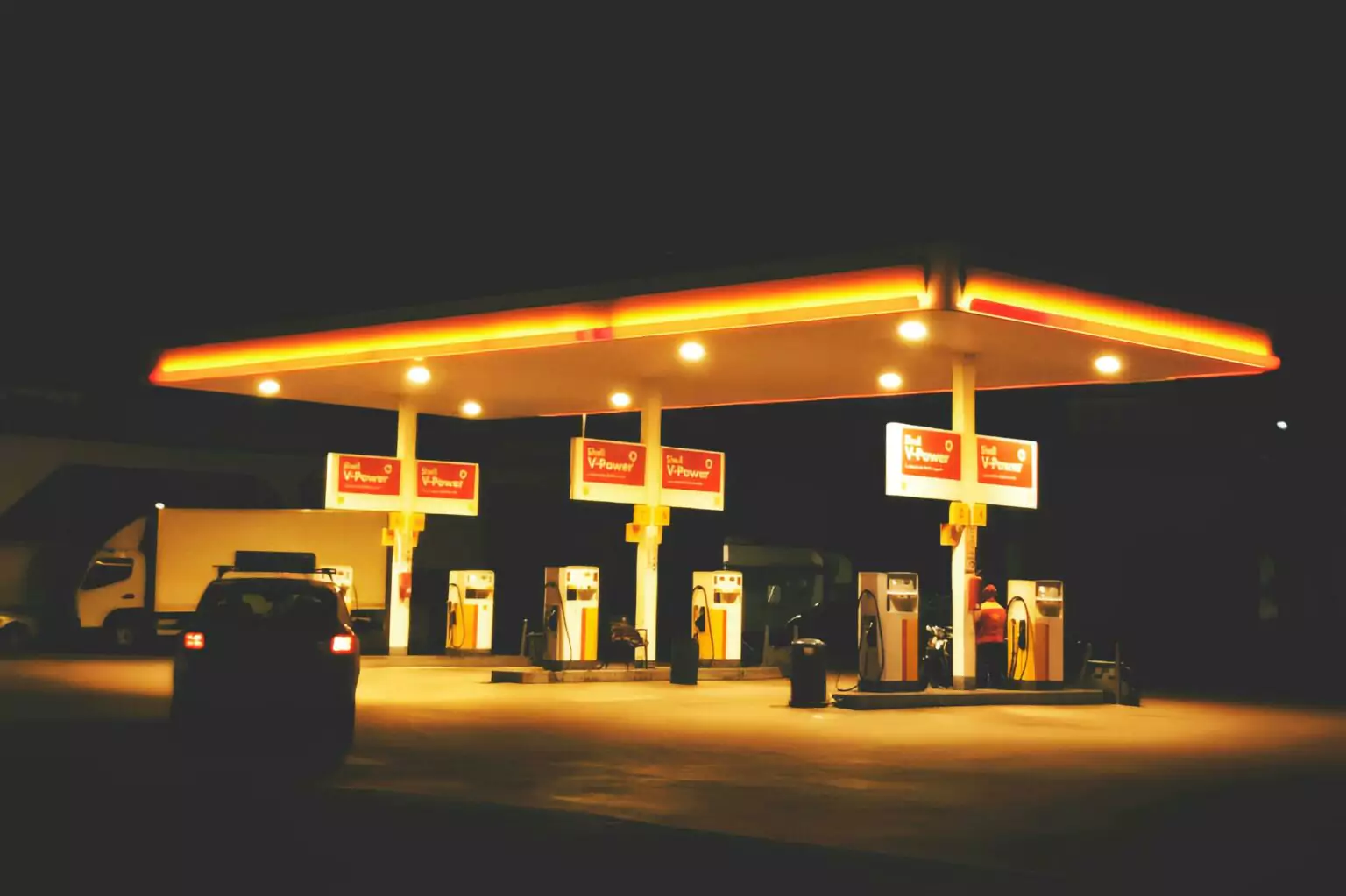
Gas prices often exhibit a perplexing pattern: they rise rapidly when oil prices surge but take their time to decline when the market shifts. This phenomenon is not merely a result of market forces, but rather a complex interplay of factors involving fuel station owners and broader economic conditions. As prices at the pump rise, consumers are often left wondering why the costs skyrocket almost overnight, while the subsequent decreases seem to linger.
Fuel station owners, who are on the front lines of this pricing dynamic, do not operate in a vacuum. When oil prices increase, these owners absorb some of the costs initially, hoping to maintain customer loyalty. However, as they face mounting expenses, they eventually pass these costs onto consumers. This rapid increase can be attributed to the immediate need for station owners to cover their expenditures and remain profitable.
Conversely, when oil prices fall, the situation becomes more complex. Station owners are often hesitant to lower prices immediately. This reluctance is driven by the desire to recoup the losses incurred during the periods of high oil prices. They may hold onto higher price points longer, hoping that market conditions will stabilize or improve. This lag in price adjustment can frustrate consumers who expect gas prices to drop as soon as oil costs decrease.
Additionally, external factors such as geopolitical tensions, natural disasters, and changes in supply can influence gas prices. Even if crude oil prices decline, disruptions in supply chains or refinery outputs can prevent immediate reductions at the pump. Thus, consumers often find themselves caught in a cycle where they feel the burden of rising prices much sooner than they experience relief.
Understanding these dynamics is crucial for consumers seeking to navigate the complexities of gas pricing. Awareness of how fuel station owners manage their operations and the broader market influences can shed light on this frustrating phenomenon. For more insights into financial news and market trends, visit Financial News.


