



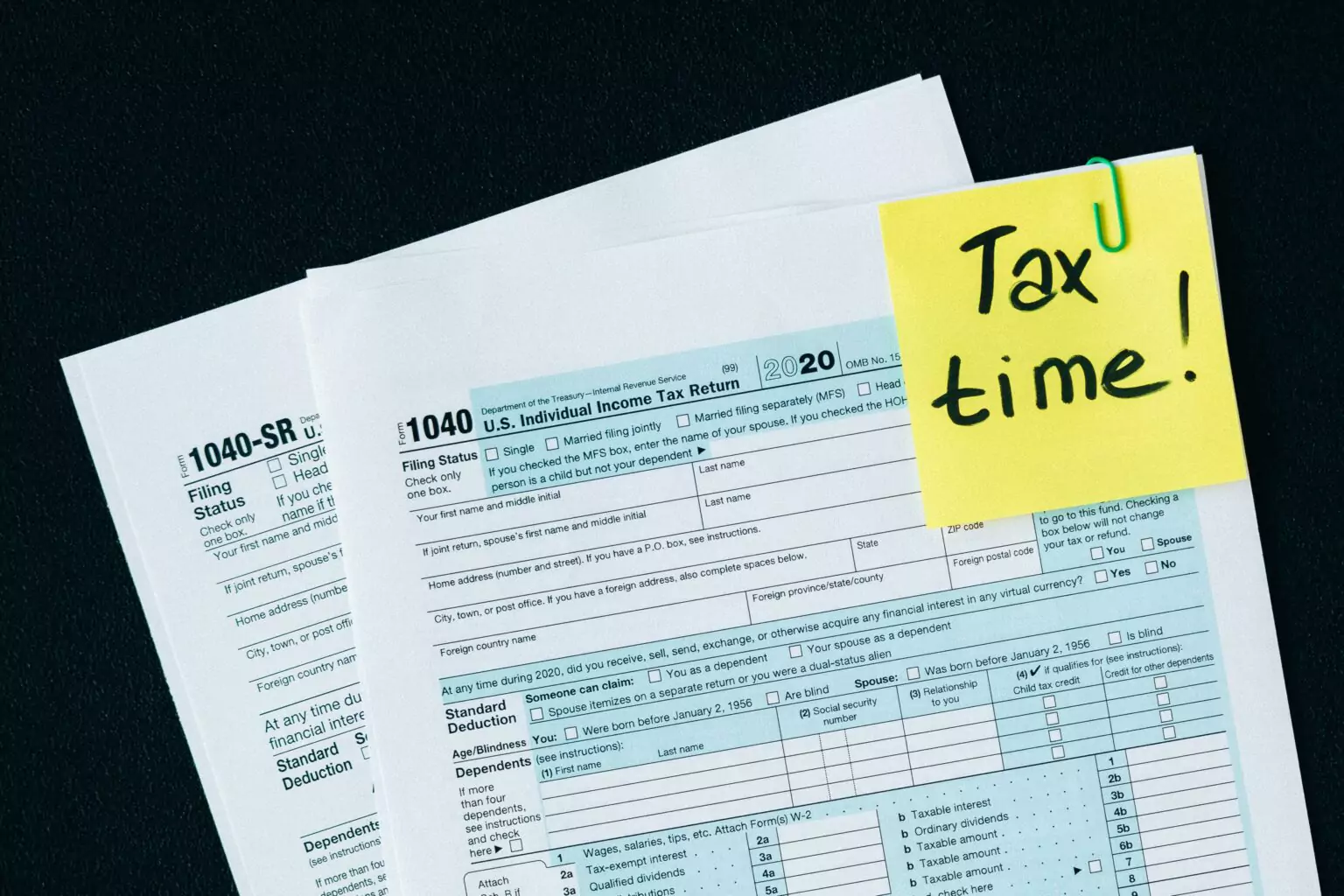
The Income Tax Brackets in Virginia for 2025 will play a significant role in how residents plan their finances. As tax laws evolve, it becomes crucial for taxpayers to stay informed about the changes that may affect their tax liabilities. This article delves into the specifics of the income tax brackets in Virginia, providing a comprehensive analysis of the rates, implications for residents, and insights into how these changes might impact financial planning.
In Virginia, income tax is structured progressively, meaning that the rate increases as income levels rise. The tax rates are categorized into brackets, with each bracket applying to a specific range of income. For the upcoming tax year of 2025, Virginia is expected to maintain its existing tax structure while making adjustments to the income thresholds to account for inflation. Understanding these brackets is essential for anyone who earns an income in the state.
Current Income Tax Brackets in Virginia
The income tax brackets in Virginia for 2025 are as follows:
| Income Range | Tax Rate |
|---|---|
| $0 – $3,000 | 2% |
| $3,001 – $5,000 | 3% |
| $5,001 – $17,000 | 5% |
| Over $17,000 | 5.75% |
These brackets illustrate the incremental nature of Virginia’s income tax system. For example, if a resident earns $30,000, they will pay 2% on the first $3,000, 3% on the next $2,000, 5% on the following $12,000, and 5.75% on the remaining income above $17,000. This progressive tax system is designed to ensure a fair contribution based on one’s ability to pay.
It’s important to note that these tax rates apply to taxable income, which is calculated after deductions and exemptions. Taxpayers should be aware of potential deductions they may qualify for, such as standard deductions or itemized deductions, which can significantly lower their taxable income.
Implications of Virginia’s Tax Brackets
The implications of the income tax brackets in Virginia extend beyond mere calculations. Understanding these brackets allows taxpayers to strategize their financial decisions to optimize their tax liabilities. For example, individuals may choose to adjust their withholdings or make contributions to tax-deferred retirement accounts to reduce their taxable income.
Furthermore, businesses and self-employed individuals must also navigate these tax brackets when planning their finances. Tax strategies can vary significantly depending on income levels, and consulting with a tax professional may be beneficial for those with complex financial situations.
Projecting Future Tax Changes
Looking ahead, it is essential to consider potential changes to Virginia’s tax brackets beyond 2025. As economic conditions fluctuate and state budgets evolve, tax laws may be subject to revisions. Residents should stay informed about legislative developments that could impact future tax rates and brackets.
Engaging with resources such as Tax-Related Banking Issues can provide valuable insights into any changes that may arise. Additionally, consulting with tax professionals will ensure that individuals are prepared for any adjustments in the tax landscape.
Conclusion
In conclusion, understanding the Income Tax Brackets in Virginia for 2025 is crucial for effective financial planning. Knowing how these brackets work can help taxpayers make informed decisions that maximize their financial well-being. As the tax environment continues to evolve, staying informed and proactive will be key to navigating the complexities of income taxation in Virginia.