



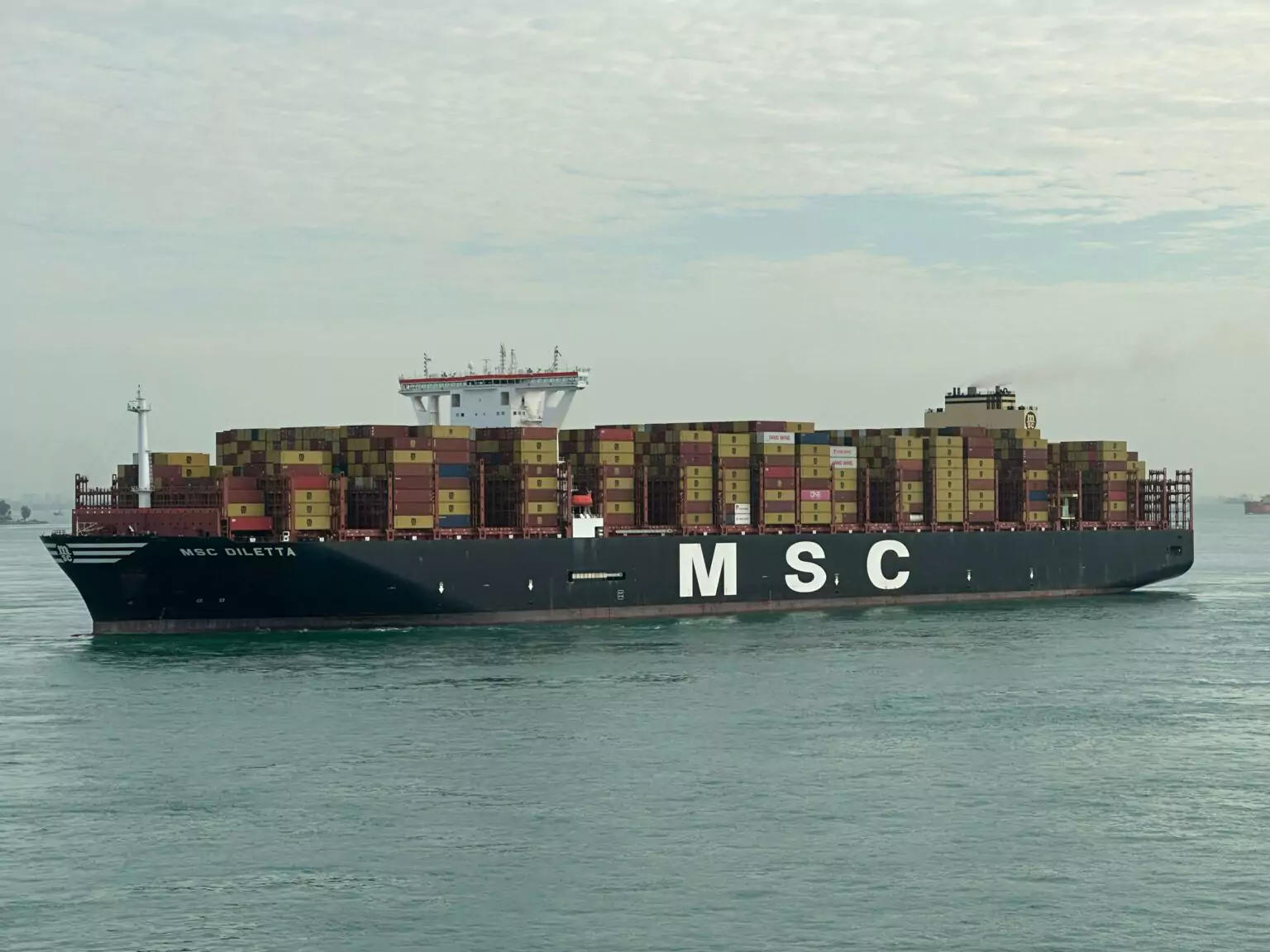
The ongoing Iran blockade initiated by President Trump is creating a significant test of endurance between the United States and Iran. This blockade, particularly focused on the strategic Strait of Hormuz, aims to choke off Iran’s economic lifelines. The implications of this blockade extend beyond national borders, affecting global oil prices and international trade routes. As tensions rise, both sides are evaluating their capacity to withstand economic and political pressures.
On one hand, the United States has positioned itself to apply maximum pressure on Iran, banking on the belief that increased sanctions will push Tehran to the negotiating table. However, the Iranian government is betting on a different outcome, suggesting that the U.S. political system may not tolerate prolonged economic pain. Analysts are divided on which side will ultimately yield first, given the complex interplay of national pride and economic necessity.
Market analysts observe that oil prices have shown volatility in response to news regarding the blockade. Any disruption in the Strait of Hormuz, through which a significant portion of the world’s oil supply passes, could lead to spikes in prices, impacting global markets. Investors are advised to keep a close eye on developments in this region, as any escalation could have far-reaching consequences for energy costs and overall market stability.
Furthermore, the blockade has implications for international partnerships and alliances. Countries dependent on Iranian oil may find themselves in a precarious position, forced to navigate the delicate balance between economic interests and geopolitical alliances. As this situation unfolds, the global market will continue to react to the shifting dynamics between the U.S. and Iran.
For more in-depth financial analysis and updates, explore our Financial News section.