



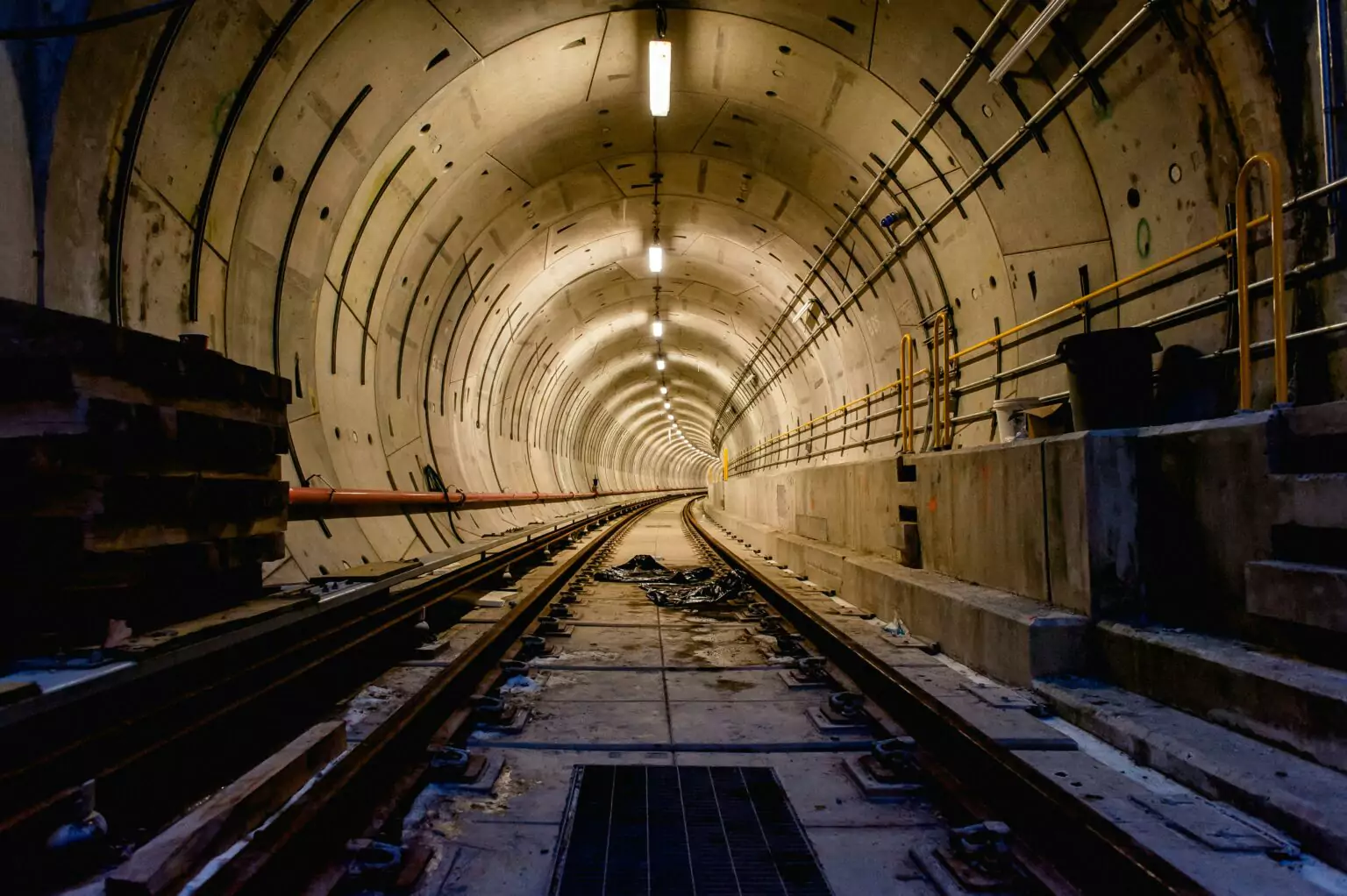
The Thames Tunnel, a remarkable feat of engineering completed by the Brunel family over 200 years ago, continues to hold significant historical and financial interest. This iconic structure, which originally served as a pedestrian passageway, showcases the evolution of infrastructure investment and its impact on urban development. As we delve into the legacy of the Thames Tunnel, we uncover insights relevant to today’s financial landscape. For more updates on similar financial topics, visit Financial News.
The tunnel’s construction was marked by ambitious engineering challenges, including the innovative use of a tunnelling shield, which laid the groundwork for future infrastructure projects. Despite facing numerous setbacks, including floods that delayed progress, the Brunels ultimately succeeded in creating a vital link between Rotherhithe and Wapping. This achievement not only highlighted the potential for large-scale public works to transform cities but also set a precedent for funding mechanisms that would later influence modern financing methods.
In the Victorian era, the Thames Tunnel gained popularity as a visitor attraction, reflecting the public’s fascination with engineering marvels. This period also saw the tunnel’s conversion into a railway line, further emphasizing its importance in enhancing transportation efficiency. The financial implications of such transformations underscore the need for strategic investment in infrastructure to stimulate economic growth and improve urban connectivity. Today, the legacy of the Thames Tunnel serves as a case study for contemporary infrastructure financing and public-private partnerships.
As cities worldwide grapple with the challenges of aging infrastructure and the need for modernization, the Thames Tunnel offers valuable lessons on the importance of innovation and resilience in engineering. The ongoing relevance of such historical projects reminds us that while the methods of funding and construction may evolve, the core principles of effective infrastructure development remain timeless.


