



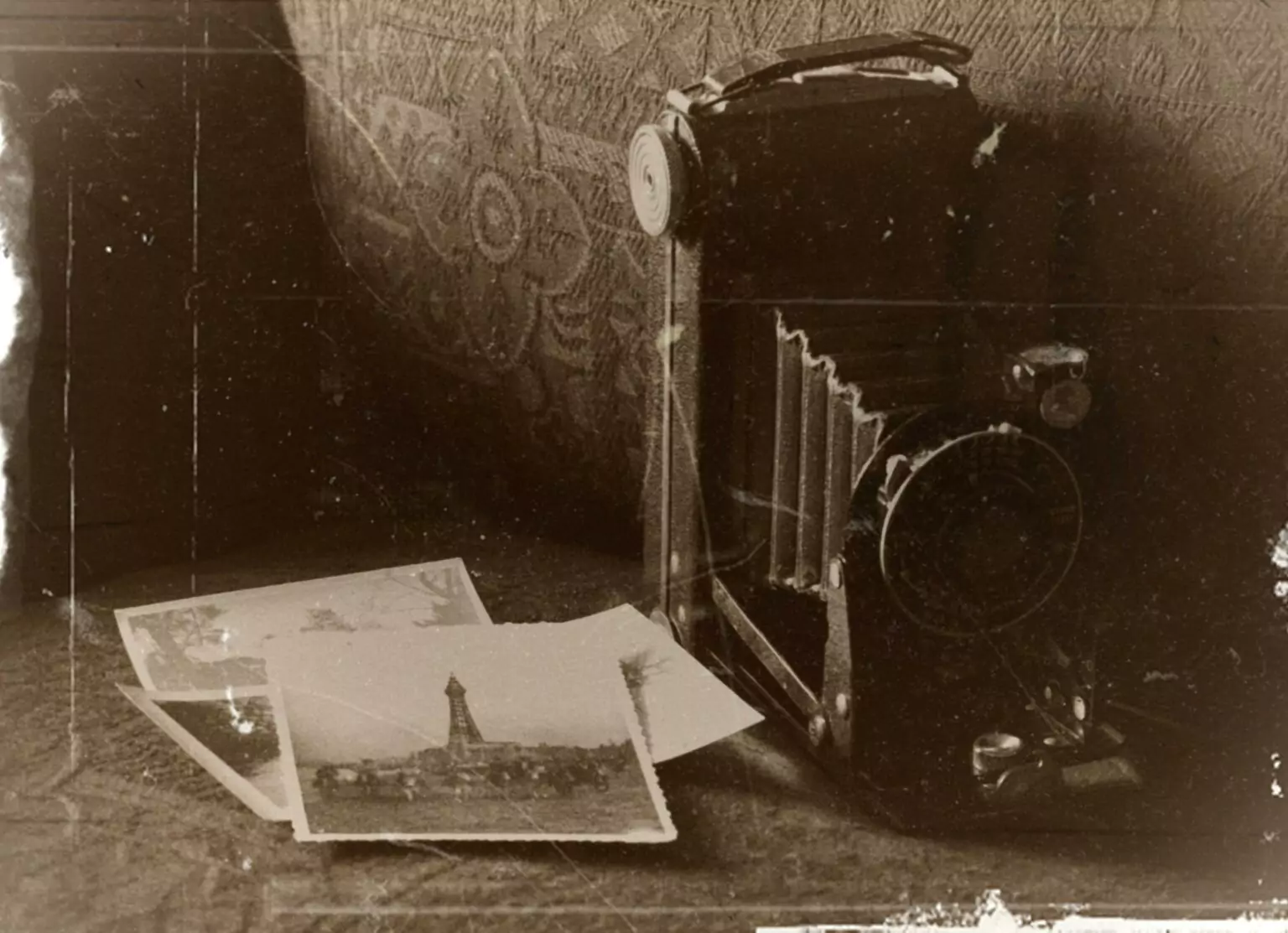
In the heart of Manhattan, the Chelsea Hotel has long been a landmark of artistic spirit and bohemian culture. Recently, a collection of recovered photographs from 1969 to 1971, taken by Albert Scopin, has surfaced, bringing to light the vibrant daily life of the hotel during its peak. The images reflect a time when the hotel was a haven for artists, musicians, and writers, effectively capturing the essence of a unique cultural moment. This revival of historical photographs not only serves as a nostalgic reminder but also raises questions about the financial implications of such cultural artifacts in today’s market.
As the value of art and cultural memorabilia continues to rise, the significance of Scopin’s photographs cannot be overstated. Collectors and investors are increasingly turning their eyes toward vintage photographs as viable investment opportunities. The Chelsea Hotel, with its rich history and iconic status, further enhances the potential market value of these images. This phenomenon is not limited to the art world; it extends into the broader financial landscape where historical items often appreciate over time.
Moreover, the intersection of culture and finance is becoming more apparent, as institutions and private collectors recognize the investment potential of historical photography. Events showcasing such collections are drawing attention from both art enthusiasts and financial investors alike, indicating a growing trend where cultural heritage is perceived as a financial asset. The photographs of the Chelsea Hotel encapsulate stories of creativity and resilience, and as they gain recognition, they may also attract significant monetary interest.
As the market evolves, it will be crucial for collectors to understand the valuation dynamics of such cultural artifacts. Factors influencing the financial worth of photographs include their condition, rarity, and the historical context surrounding them. For instance, images featuring iconic figures like Patti Smith and Robert Mapplethorpe, who were once residents of the Chelsea, could potentially command higher prices due to their association with renowned personalities.
In conclusion, the recent rediscovery of Albert Scopin’s photographs serves as a poignant reminder of the intertwined nature of culture and finance. As these images circulate in the market, they highlight the potential for appreciation in value, encouraging both collectors and investors to explore the financial opportunities presented by cultural memorabilia. For more insights, visit Financial News.